


Introduction
In today’s unpredictable economic environment, investors face a silent threat: inflation gradually eating away at their purchasing power. While traditional investments often struggle during inflationary periods, precious metals have consistently proven their ability to preserve wealth.
This comprehensive guide reveals practical strategies for using precious metals as an effective inflation hedge, helping you safeguard your portfolio against rising prices.
From my 15 years as a portfolio manager during multiple inflationary cycles, I’ve consistently observed that clients with strategic precious metals allocations weathered economic storms significantly better than those relying solely on traditional assets.
Understanding Inflation and Its Impact
Inflation represents the steady increase in consumer prices and the corresponding decrease in what your money can buy. When inflation outpaces your investment returns, your wealth effectively shrinks. Grasping this basic economic reality is essential for building effective protection strategies.
How Inflation Erodes Wealth
Think of inflation as a hidden tax on your savings. For example, with 3% annual inflation, $100 today would only have the purchasing power of approximately $74 in ten years. This erosion happens slowly but compounds dramatically over time, making long-term wealth preservation impossible without proper safeguards.
Different investments react uniquely to inflation:
- Cash and bonds typically lose value during high inflation
- Stocks may struggle as company costs rise
- Precious metals often increase in value when inflation accelerates
Historical Context of Inflation Hedges
Economic history repeatedly demonstrates the value of tangible assets during inflationary crises. The 1970s stagflation era saw gold prices surge over 2,300% while stocks stagnated.
More recently, the massive stimulus programs following the 2008 financial crisis and COVID-19 pandemic have renewed interest in inflation protection. Consider this compelling data: The World Gold Council reports that a single ounce of gold has consistently purchased a quality men’s suit for centuries, while the dollar amount required has increased exponentially. This demonstrates gold’s remarkable ability to maintain purchasing power across generations.
Gold: The Ultimate Inflation Hedge
Gold has earned its reputation as the premier inflation hedge through centuries of proven performance. Its unique characteristics make it exceptionally well-suited for protecting wealth when paper currencies lose value.
Why Gold Performs Well During Inflation
Gold’s effectiveness stems from three key attributes: limited supply, global recognition, and independence from any single government. Unlike paper money, central banks can’t print more gold, making it naturally resistant to the supply-driven inflation that plagues fiat currencies.
During inflationary periods, investor psychology shifts dramatically. As one seasoned investor noted, “When people lose confidence in paper money, they rediscover gold’s timeless value.” This flight to quality often drives gold prices higher precisely when other assets are declining, providing crucial portfolio balance.
Optimal Gold Allocation Strategies
Most financial experts recommend allocating 5-15% of your portfolio to gold, depending on your risk tolerance and market outlook. This provides meaningful protection without overexposing you to gold’s price swings.
Smart investors diversify within their gold holdings:
- Physical gold (bars, coins) for ultimate security
- Gold ETFs for easy trading and liquidity
- Gold mining stocks for potential leverage to rising prices
Silver: The Accessible Alternative
While often living in gold’s shadow, silver offers compelling inflation protection with its own unique advantages. Its dual role as both precious metal and industrial commodity creates fascinating dynamics during inflationary periods.
Silver’s Industrial Demand Dynamics
Silver’s extensive industrial uses—from electronics to solar panels to medical devices—create strong underlying demand. During early inflation, industrial demand might temporarily dip, but as inflation persists, silver’s precious metal qualities typically take over.
The green energy revolution has transformed silver’s demand profile. The Silver Institute reports photovoltaic demand hit record levels in 2023, growing 12% annually. This expanding industrial base provides additional price support beyond silver’s monetary appeal, potentially enhancing its long-term inflation-fighting power.
Leverage Potential and Volatility Considerations
Silver’s higher volatility compared to gold can mean bigger profits during strong inflationary runs, but also greater risk. This makes position sizing crucial—many investors use silver to complement rather than replace gold in their strategies.
The gold-to-silver ratio offers valuable timing insights. When this ratio reaches extreme levels (historically above 80 or below 40), it often signals potential reversion opportunities. For example, when the ratio hit 125 in 2020, silver subsequently outperformed gold by 40% over the following year.
Platinum and Palladium: Specialized Hedges
Beyond the familiar gold and silver, platinum group metals offer sophisticated hedging opportunities that can boost portfolio diversification. These metals blend precious metal appeal with critical industrial applications.
Industrial Applications and Supply Constraints
Platinum and palladium are essential for automotive catalytic converters, jewelry, and industrial processes. Their concentrated supply—primarily from South Africa and Russia—creates vulnerability to disruptions that can spike prices during inflation.
The electric vehicle transition creates complex dynamics. While reduced catalytic converter demand seems negative, many hybrids still need them, and new applications continue emerging. As one industry expert noted, “These metals are finding new roles in hydrogen technology and medical devices, maintaining their relevance.”
Portfolio Diversification Benefits
Including platinum and palladium can enhance diversification since they often move differently than gold and silver. This can smooth overall returns while maintaining inflation protection.
Allocations to these metals typically represent smaller portions (1-3% of total metals) to gain diversification benefits without excessive concentration risk. This modest exposure provides insurance against supply shocks while participating in their unique demand stories.
Implementation Strategies for Inflation Protection
Successfully hedging against inflation requires thoughtful implementation across various precious metals. These proven strategies can optimize your approach based on your specific situation.
Physical vs. Paper Investments
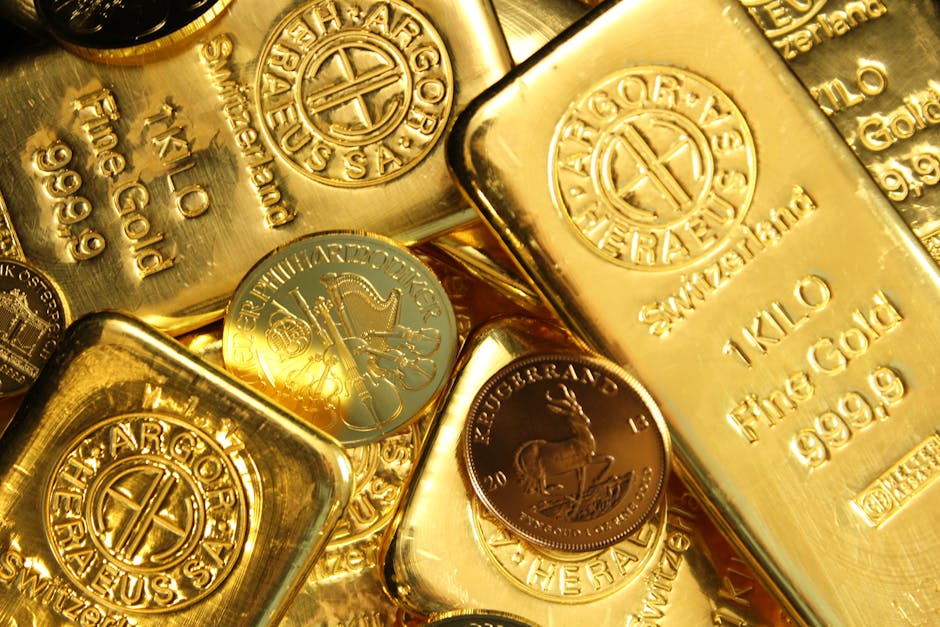
Physical metals provide direct inflation protection without counterparty risk. Options include bullion bars, coins, and allocated storage. While offering maximum security, physical metals involve storage costs and lower liquidity.
Paper investments (ETFs, mining stocks, futures) offer convenience and liquidity but introduce regulatory and counterparty risks. A balanced approach often works best—combining physical metals for core holdings with paper investments for tactical adjustments.
Dollar-Cost Averaging Approach
Given precious metals’ volatility, dollar-cost averaging provides an effective way to build positions systematically. By investing fixed amounts regularly, you reduce timing risk and potentially lower your average cost.
Most bullion dealers and ETFs offer automatic investment plans, making dollar-cost averaging easy to implement. This disciplined approach prevents emotional decisions during price extremes, which often occur during inflationary spikes.
Building Your Precious Metals Portfolio
Creating an effective precious metals portfolio requires considering multiple factors beyond simple metal selection. Proper structure, storage, and rebalancing significantly impact long-term inflation protection.
Allocation and Rebalancing Guidelines
Establish clear allocation targets for each metal based on your risk tolerance. Regular rebalancing maintains your intended risk profile and capitalizes on price movements between metals.
Consider this sample allocation for moderate-risk inflation protection:
| Metal | Allocation Percentage | Primary Form |
|---|---|---|
| Gold | 60% | Physical bullion and ETFs |
| Silver | 25% | ETFs and mining stocks |
| Platinum | 10% | ETFs |
| Palladium | 5% | ETFs |
Storage and Security Considerations
Physical metal storage requires careful planning. Options include home safes, bank deposit boxes, and professional vaulting services. Each involves different trade-offs between accessibility, security, and cost.
Proper documentation and insurance are non-negotiable. Maintain detailed purchase records, serial numbers, and storage details. Adequate insurance protects against theft or damage, ensuring your inflation protection remains intact through any circumstance.
FAQs
Most financial advisors recommend allocating 5-15% of your total portfolio to precious metals, with the exact percentage depending on your risk tolerance, investment horizon, and current economic conditions. Conservative investors might start with 5-7%, while those more concerned about inflation may allocate 10-15%.
Physical metals offer direct ownership without counterparty risk but involve storage costs and lower liquidity. Paper investments provide convenience and liquidity but carry regulatory and counterparty risks. A balanced approach using both often works best—physical metals for core long-term holdings and ETFs for tactical adjustments and liquidity needs.
Dollar-cost averaging (investing fixed amounts regularly) is generally more effective than trying to time the market perfectly. However, periods of relative price stability or temporary price dips often present good entry points. Avoid buying during extreme price spikes driven by short-term fear or speculation.
Gold typically performs best during high inflation and economic uncertainty. Silver may outperform during moderate inflation with strong industrial demand. Platinum and palladium are more sensitive to industrial cycles and supply disruptions.
| Metal | High Inflation | Moderate Inflation | Stagflation |
|---|---|---|---|
| Gold | Strong performer | Moderate performer | Best performer |
| Silver | Good performer | Strong performer | Moderate performer |
| Platinum | Variable | Good performer | Weak performer |
| Palladium | Variable | Strong performer | Weak performer |
“The greatest mistake investors make with precious metals is treating them as speculative assets rather than insurance policies. Their true value emerges not during calm markets, but during the storms that inevitably arrive.” – Senior Portfolio Manager, Global Wealth Management
Conclusion
Precious metals offer proven protection against inflation’s corrosive effects, serving as essential components of well-diversified portfolios. By understanding gold, silver, platinum, and palladium’s unique characteristics, you can build strategic allocations that preserve purchasing power when prices rise.
Remember that successful inflation hedging requires patience and discipline. Start with a clear plan, diversify across metals and investment forms, and maintain your strategy through market fluctuations. As central banks continue expansive monetary policies, precious metals’ protection becomes increasingly valuable for safeguarding your financial future.
Important Disclosure: This content is for educational purposes only and does not constitute financial advice. Past performance is not indicative of future results. Consult with a qualified financial advisor before making investment decisions. All data cited is current as of publication date and sourced from recognized authorities including the World Gold Council, The Silver Institute, and Federal Reserve Economic Data.
