


Introduction
Gold has held a place in investment portfolios for thousands of years, and 2026 is no exception. In a world of shifting interest rates, currency pressures, and market volatility, more investors are asking the same question: how do I actually get exposure to gold, and which approach fits my goals?
The truth is that “investing in gold” isn’t a single decision — it’s an entire category of choices. You can hold a bar of physical bullion in a vault, buy shares of an exchange-traded fund in seconds, own stock in a mining company, or even hold a blockchain token backed by real metal. Each comes with its own costs, risks, tax treatment, and role to play in a portfolio.
This guide — the core Goldzeus.com Investments resource — walks through everything a modern gold investor needs to know: why gold still matters, the main ways to invest in it, how to match a strategy to your goals, how to think about timing and risk, and how to build a properly diversified allocation. Whether you’re buying your first ounce of gold or refining a strategy you’ve used for years, consider this your starting point.
Why Gold Still Matters in 2026
Gold’s enduring appeal comes down to a few consistent qualities. It holds value over long periods of time, it doesn’t depend on any single government, company, or central bank to back it, and it tends to behave differently from stocks and bonds — especially during periods of stress.
Inflation protection. Historically, gold has done a reasonable job of preserving purchasing power when the cost of living rises faster than wages or bond yields. It’s not a perfect hedge in every environment, but over long stretches, gold has tended to track or outpace inflation better than cash sitting in a bank account.
A hedge when rates are low. One of the classic knocks against gold is that it doesn’t pay interest or dividends. That criticism matters less when interest rates themselves are low, since the “opportunity cost” of holding a non-yielding asset shrinks. In a rate environment where savings accounts and short-term bonds pay little, gold’s relative appeal increases.
Diversification. Perhaps gold’s most underrated role is what it does for a portfolio as a whole, rather than on its own. Because gold’s price movements often have a low or even negative correlation with equities, adding even a modest gold allocation can reduce overall portfolio volatility without necessarily reducing long-term returns. This is why many financial advisors treat gold not as a bet on the price of the metal itself, but as a structural piece of a well-built portfolio — a theme we explore further in our article on why gold is a cornerstone asset in a global portfolio.
A store of value across currencies. Because gold isn’t denominated in any one currency, it tends to hold appeal internationally in a way that cash and bonds don’t. Investors worried about the long-term purchasing power of their home currency often turn to gold as a form of insurance.
Ways to Invest in Gold: The Core Vehicles
There’s no single “right” way to invest in gold — the best choice depends on your goals, timeline, budget, and comfort with complexity. Here’s a rundown of the main vehicles available to investors today.
Physical Gold
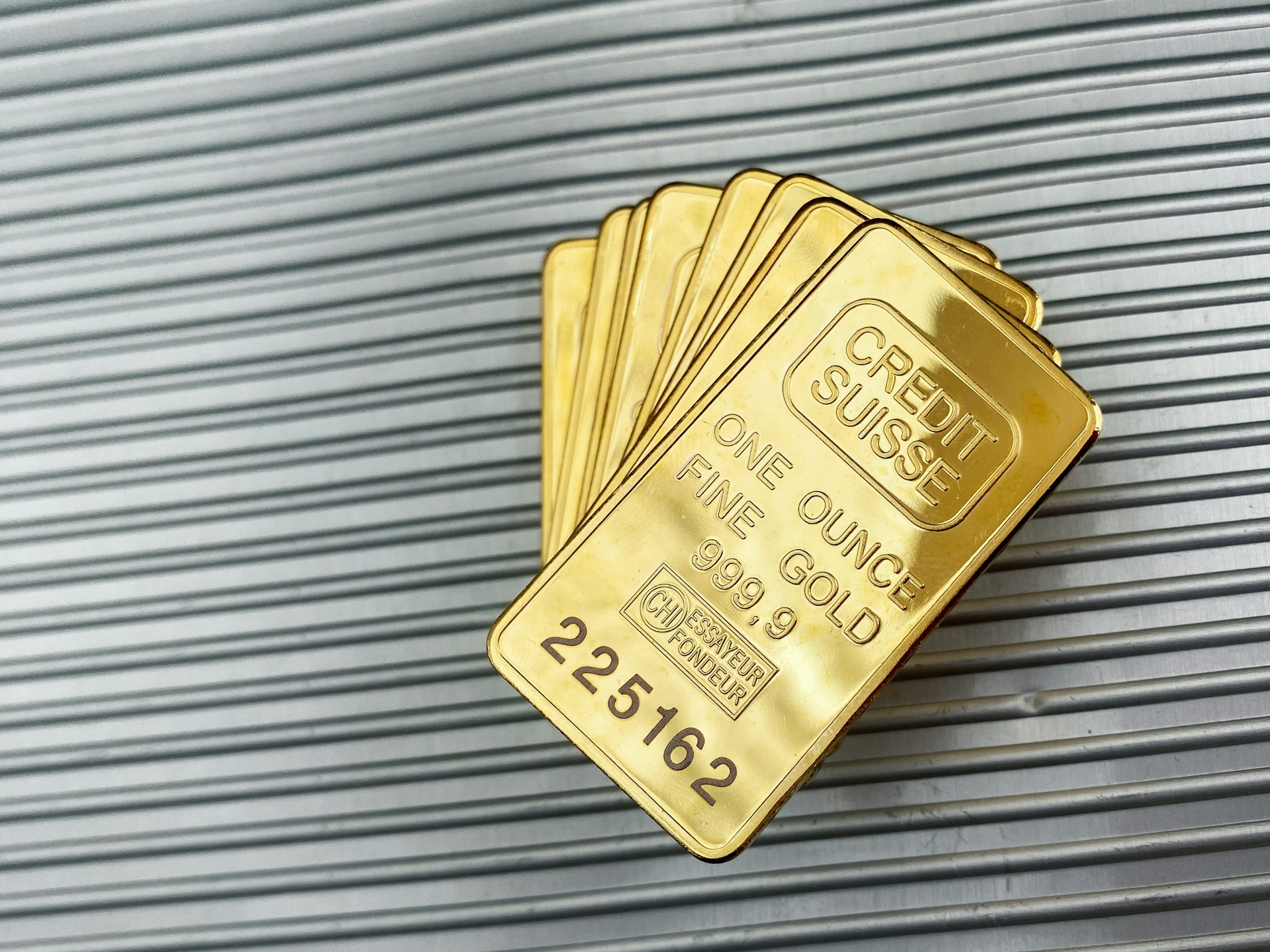
Owning physical bullion — coins or bars — is the most direct and tangible way to invest in gold. It carries no counterparty risk, meaning your investment doesn’t depend on a company, fund manager, or exchange staying solvent. You own the metal outright.
The tradeoffs are practical ones: storage, insurance, and liquidity. Selling physical gold quickly at a fair price generally takes more effort than selling shares of a fund on an exchange, and there are often premiums over the “spot price” when buying, along with potential dealer markups when selling. For investors who value simplicity and full ownership above convenience, though, physical gold remains the gold standard — no pun intended.
Gold ETFs
Exchange-traded funds like GLD and IAU let investors gain exposure to the price of gold without ever touching the physical metal. They trade like ordinary stocks, offer high liquidity, and typically charge a small annual expense ratio to cover storage and administration of the underlying gold reserves.
ETFs solve many of physical gold’s practical drawbacks — no storage, no insurance, and instant liquidity during market hours — but they introduce a layer of counterparty and structural risk that physical gold doesn’t carry. They’re also generally taxed differently than physical bullion in many jurisdictions, which is worth understanding before choosing between the two, a topic we cover in depth in our comparison of physical gold vs. gold ETFs and which is more tax efficient.
Digital and Blockchain-Backed Gold
A newer category has emerged from the intersection of precious metals and blockchain technology. Tokens backed one-to-one by physical gold held in vaults allow investors to buy, sell, and transfer gold exposure with the speed and flexibility of a digital asset, while (in theory) retaining the security of an underlying physical reserve. This model is still maturing, and questions around custody, auditing, and regulatory treatment remain active areas of debate as the space develops.
Mining Stocks
Buying shares in companies that mine gold offers leveraged exposure to the gold price: when gold rises, well-run miners can rise even more, since their profit margins expand disproportionately as revenue grows against relatively fixed costs. The reverse is also true, which is why mining stocks tend to be considerably more volatile than the price of gold itself.
Within this category, junior miners — smaller, often exploration-stage companies — carry higher risk and higher potential upside than senior miners, which are established, revenue-generating producers with more predictable (if less explosive) returns. Choosing between the two is less about which is objectively “better” and more about matching risk tolerance to strategy.
Royalty and Streaming Companies
A less volatile way to gain exposure to the mining sector is through royalty and streaming companies. Rather than operating mines themselves, these firms provide upfront capital to mining companies in exchange for a percentage of future production or revenue. This structure shields them from many of the operational risks — labor disputes, equipment failures, cost overruns — that traditional miners face directly, while still offering leveraged exposure to rising gold prices. Many investors treat this category as a middle ground between the stability of physical gold and the growth potential of mining equities.
Futures and Options
For more advanced investors, gold futures and options offer ways to speculate on price movements or hedge existing positions using significant leverage. A relatively small amount of capital can control a much larger position, which magnifies both potential gains and potential losses. These instruments require a solid understanding of contract mechanics, margin requirements, and expiration dynamics before use, and they’re generally best suited to experienced traders rather than long-term, buy-and-hold investors.
Choosing the Right Strategy for Your Goals
The right gold investment isn’t just about which vehicle has performed best historically — it’s about matching the vehicle to your actual purpose.
Long-term wealth preservation typically favors physical gold or low-cost ETFs, held for years rather than months, functioning as a stable anchor within a broader, diversified portfolio. Investors in this camp are generally less concerned with short-term price swings and more focused on gold’s role as insurance against long-run currency debasement or systemic shocks.
Short-term trading is an entirely different discipline. Leveraged products — funds designed to amplify daily price movements by a multiple — can be powerful tools for traders looking to capitalize on short-term moves, but they’re poor choices for buy-and-hold investors. The compounding effects of daily rebalancing in these products can erode returns significantly over longer holding periods, even if the underlying price of gold ends up flat or higher. As we explain in our deeper dive on leveraged gold ETFs and why these are only for short-term traders, these products need to be used with a clear, short time horizon in mind.
Retirement-focused investing introduces its own set of considerations, particularly around how a growth-and-preservation asset like gold fits alongside income-generating vehicles designed to provide steady cash flow later in life. Investors nearing or in retirement often want to balance gold’s protective qualities against the need for predictable income, which typically means a smaller, more conservative allocation rather than a concentrated bet.
Whatever the goal, it helps to work from a structured framework rather than reacting to headlines or short-term price spikes. Before committing capital, it’s worth stepping back and asking: What role is this investment playing in my overall portfolio? What’s my time horizon? What tax treatment applies? And what would make me change course?
Reading the Market: Timing and Technical Basics
Gold, like any traded asset, moves in response to a mix of macroeconomic data, currency strength, interest rate expectations, central bank buying activity, and overall investor sentiment. While no one can time the market with precision, understanding basic technical analysis — chart patterns, support and resistance levels, moving averages — can help investors make more informed entry and exit decisions rather than acting purely on emotion or headlines.
It’s worth being honest about the limits of timing, though. Attempting to buy exactly at the bottom and sell exactly at the top is a losing game for most investors, professional and amateur alike. A more realistic approach involves dollar-cost averaging into a position over time, using technical signals as one input among several rather than a definitive buy-or-sell trigger, and staying anchored to the original reason you wanted gold exposure in the first place.
Risk Management and Hedging
One of gold’s most valuable roles in a portfolio is as a hedge — a way to offset risk elsewhere. During periods of stock market turbulence, gold has often, though not always, moved in the opposite direction of equities, providing a cushion when other assets are falling. This relationship isn’t guaranteed and can break down during periods of extreme, indiscriminate selling, but historically it has held often enough to make gold a valuable diversification tool.
Gold also serves as protection against currency devaluation, since its value isn’t tied to the monetary policy of any single country. This makes it a popular choice for investors concerned about inflationary policy decisions or long-term currency weakness, particularly those holding significant wealth in a single currency.
Less commonly discussed, but increasingly relevant, is gold’s use as collateral for loans and credit lines. This allows investors to access liquidity without selling their holdings outright, preserving long-term exposure to gold’s price while still meeting short-term cash needs — a strategy worth understanding in more detail in our guide to using gold as a collateral asset.
Taxes and Practical Considerations
Gold investing comes with tax implications that vary significantly depending on the vehicle used, the holding period, and the investor’s home jurisdiction. Physical gold, ETFs, mining stocks, and futures contracts can all be taxed under different rules, and understanding these distinctions before investing — rather than after selling — can save meaningful money down the line. Tax rates on physical bullion, for instance, are frequently different from those applied to gains on ETF shares, even though both track the same underlying asset.
On the practical side, buying and selling gold — particularly online — requires some caution. Verifying dealer legitimacy, understanding premiums over spot price, confirming secure payment and delivery or storage arrangements, and being wary of deals that seem too good to be true are all essential steps for any investor transacting outside of a traditional exchange.
Building a Diversified Precious Metals Portfolio
Gold rarely works best in isolation. Many experienced investors combine multiple vehicles — some physical gold for stability and direct ownership, ETFs for liquidity and ease of trading, and a smaller allocation to mining stocks or royalty companies for additional growth potential — to create a more balanced precious metals allocation rather than relying on a single approach.
It’s also worth understanding how gold compares to other assets often framed as “alternatives” or “safe havens” in modern portfolios, particularly cryptocurrency, which has drawn comparisons to gold in recent years despite carrying very different volatility, regulatory, and custody profiles. Gold’s multi-century track record as a store of value is difficult for any newer asset class to match, even as digital alternatives continue to gain attention.
For investors looking to combine gold with income-generating assets rather than growth-only holdings, pairing a gold allocation with dividend-paying equities is another approach worth considering, since the two can serve complementary roles — gold as ballast during downturns, dividend stocks as a source of ongoing income during calmer periods.
Conclusion
Gold investing in 2026 offers more choice than at any point in its long history — from centuries-old physical bullion to blockchain-based tokens, from long-term core holdings to short-term leveraged trades. There’s no single correct approach; the right combination depends on your goals, time horizon, risk tolerance, and tax situation.
The goal of this guide has been to lay out that full landscape in one place, as the core reference for Goldzeus.com Investments. From here, the best next step is to dig into whichever vehicle or strategy fits your situation most closely and go deeper — gold rewards investors who take the time to understand exactly what they’re buying and why.
