


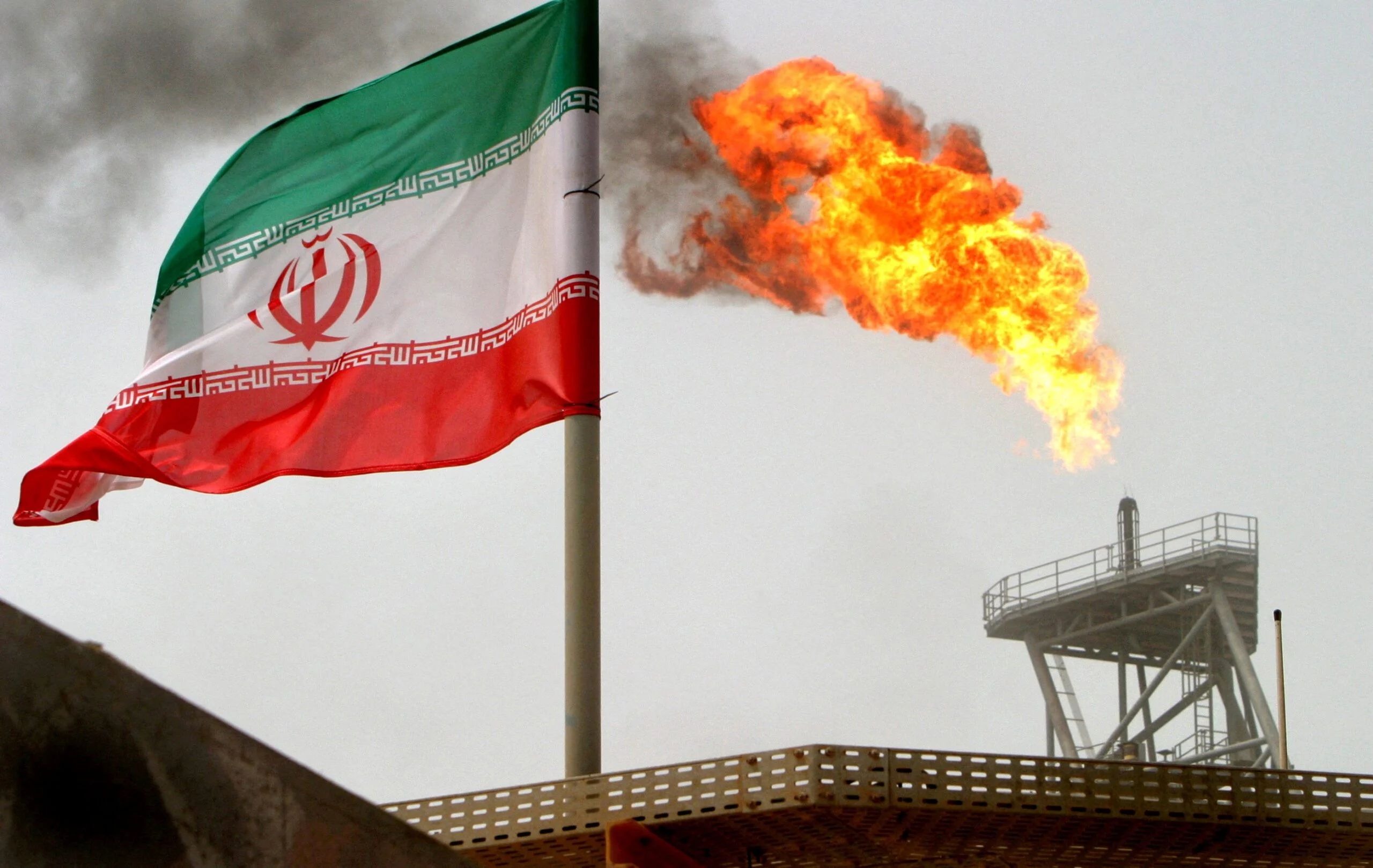
Gold prices are being steered by Middle East diplomacy through two main channels: oil and fear. When talks between Iran, the United States and the United Nations Security Council stall, oil prices tend to rise, inflation expectations climb, and investors move money into gold as a hedge. When diplomacy makes progress, oil eases and some of that safe-haven demand drains out of the gold market. Understanding how these pieces fit together explains much of gold’s recent volatility.
Key Takeaways
- Gold acts as a safe haven, so headlines about Iran, Israel and the Gulf often trigger short-term buying.
- Oil is the link between geopolitics and inflation; higher crude prices support gold by raising inflation expectations and clouding the outlook for interest rates.
- UN Security Council actions, including sanctions and the JCPOA snapback mechanism, shape how much risk markets price into gold.
- Geopolitical spikes in gold often fade within days unless oil supply is actually disrupted or central banks change course.
- Traders watch the Strait of Hormuz, US Treasury yields and the dollar together to judge whether a gold rally has staying power.
Why Gold Reacts to Middle East Headlines
Gold has no yield and no earnings, so its price depends on what investors are willing to pay for safety and protection against inflation. In calm markets, that demand competes with government bonds, which pay interest. When a crisis erupts, the calculation changes. Investors accept the lack of yield in exchange for an asset that is not tied to any government, bank or company.
The Middle East matters more than most regions because of its role in global energy. The Persian Gulf hosts several of the world’s largest oil producers, and the Strait of Hormuz, the narrow waterway between Iran and Oman, carries roughly a fifth of the world’s oil consumption. Any threat to that chokepoint is a threat to global growth and inflation at the same time.
The safe-haven reflex
In market terms, a safe haven is an asset that tends to hold or gain value when riskier assets fall. Gold has played this role for centuries, and modern trading systems have made the response almost automatic. A missile strike, a tanker seizure or a failed round of nuclear talks can lift gold within minutes as algorithms and fund managers rush to reduce risk.
That reflex, however, is often short-lived. Analysts frequently note that gold’s geopolitical premium tends to fade once the initial shock passes and traders judge that oil supply remains intact. The rallies that last are the ones that change the economic outlook, not just the news cycle.
The Oil Channel: From Crude to Inflation to Gold
Oil is the transmission belt between Middle East diplomacy and gold prices. When crude rises sharply, the cost of fuel, shipping and manufacturing climbs with it. That feeds into consumer prices and raises inflation expectations, which is the market’s forecast of how fast prices will rise in the future. Gold has historically been viewed as a store of value during inflationary periods.
Higher oil also complicates the job of central banks. If the US Federal Reserve is trying to cut interest rates, an oil-driven inflation surge can delay those cuts. That can be a headwind for gold, because higher rates make bonds more attractive. The net effect depends on which force dominates: fear of inflation or fear of tighter policy.
Real yields and the dollar
Two other variables decide how much an oil shock helps gold. The first is the real yield, which is the return on a government bond after subtracting expected inflation. When real yields fall, gold usually rises, because the cost of holding a non-yielding asset drops. The second is the US dollar. Gold is priced in dollars, so a stronger dollar makes it more expensive for buyers in other currencies and can cap rallies.
Middle East crises often push both the dollar and gold higher at once, since investors seek safety in both. This is why gold’s gains during Gulf tensions can look smaller in dollar terms than they do for buyers in euros, rupees or yen.
Diplomatic scenario Likely oil reaction Likely gold reaction Key reason Nuclear talks collapse Rises Rises Higher risk premium and inflation fears UN sanctions reimposed on Iran Rises moderately Rises moderately Tighter supply expectations Shipping disrupted in Hormuz Spikes Spikes Direct supply shock Ceasefire or interim deal Falls Softens Risk premium unwinds Iranian oil returns to market Falls Mixed Lower inflation but weaker dollar
Iran, the UN and the Politics of Risk
Iran sits at the center of this story because its nuclear program and its oil exports are both governed by international diplomacy. The 2015 Joint Comprehensive Plan of Action, better known as the JCPOA or the Iran nuclear deal, was endorsed by UN Security Council Resolution 2231. The deal lifted many sanctions in exchange for limits on Iran’s nuclear activity. The United States withdrew in 2018 and reimposed its own sanctions, leaving the agreement in a weakened state.
One feature of Resolution 2231 has become especially important for markets: the snapback mechanism. Snapback allows participants in the deal to restore earlier UN sanctions if they judge that Iran is not meeting its commitments. European governments moved to trigger this process in 2025, and the prospect of renewed UN sanctions has kept a risk premium in both oil and gold.
Why UN action moves markets differently
US sanctions have long restricted Iranian oil sales, but UN sanctions carry broader legal weight because they bind all member states. That raises the cost for countries and companies that continue to trade with Iran. For gold traders, the key question is whether UN measures tighten physical oil supply or mainly add to diplomatic tension. Either outcome supports gold, but a real supply hit does so more durably.
The UN also serves as a barometer of how isolated Iran has become. Security Council debates, International Atomic Energy Agency reports and emergency sessions signal to markets whether a diplomatic path remains open. When those channels narrow, investors tend to assume a higher chance of military escalation and position accordingly.
How Markets Have Actually Responded
History offers a useful guide to how gold behaves during Gulf crises. In January 2020, after the US strike that killed Iranian commander Qassem Soleimani, gold jumped to multiyear highs within days. The rally faded once it became clear that neither side wanted a wider war. In April 2024, direct exchanges between Iran and Israel helped push gold to record highs, though the move also reflected strong central bank buying and expectations of Fed rate cuts.
In 2025, renewed fighting involving Israel and Iran produced another round of sharp but brief gold spikes. Each time, prices retreated once oil flows through Hormuz proved uninterrupted. The pattern is consistent: gold prices in the fear quickly, then wait to see whether the fear turns into an economic fact.
Episode Trigger Gold’s initial move Outcome September 2019 Attack on Saudi Abqaiq oil facility Sharp one-day gain Faded as Saudi output recovered January 2020 US strike on Soleimani Surge to multiyear high Reversed within days as tensions cooled April 2024 Iran-Israel direct strikes Record highs Consolidated, supported by central bank demand 2025 Israel-Iran conflict and UN snapback moves Volatile spikes Pullbacks when Hormuz stayed open
What to Watch Next
For anyone following gold, the most useful approach is to track a short list of signals rather than react to every headline. The first is the status of talks between Iran, Western governments and the UN. Progress toward a new agreement would likely lower oil and trim gold’s risk premium. A breakdown, or formal reimposition of broad UN sanctions, would do the opposite.
The second signal is shipping traffic through the Strait of Hormuz. Tanker seizures, insurance rate increases or rerouting announcements are early signs that traders are pricing in a genuine supply threat. Third, watch US Treasury yields and the dollar index. If gold rises while yields fall and the dollar weakens, the rally has broader support. If gold rises alone, it may be a fear trade that unwinds quickly.
The role of central banks
One structural change has made gold more resilient to diplomatic swings. Central banks, especially in emerging markets, have been buying gold at a strong pace in recent years, partly to reduce reliance on the dollar. That steady demand provides a floor that did not exist to the same degree a decade ago. It means dips after a fading crisis are often bought, keeping gold’s longer-term trend intact even as short-term headlines whip prices around.
Frequently Asked Questions
Why does gold go up when oil goes up?
Higher oil prices raise inflation expectations, and gold is widely used as a hedge against inflation. Oil shocks also increase economic uncertainty, which boosts safe-haven demand. The two commodities do not always move together, but during Middle East crises they often do.
How does the UN affect gold prices?
The UN Security Council sets the legal framework for sanctions on Iran, including the snapback mechanism under Resolution 2231. Decisions that tighten sanctions can reduce oil supply expectations and raise geopolitical risk, both of which tend to support gold.
Do geopolitical gold rallies last?
Usually not on their own. Most spikes driven by Middle East headlines fade within days or weeks unless the event changes oil supply, inflation or interest rate expectations. Lasting gold trends are driven by real yields, the dollar and central bank demand.
Would a new Iran nuclear deal hurt gold?
It could weigh on gold in the short term by lowering oil prices and reducing risk premiums. However, a weaker dollar or continued central bank buying could offset that effect, so the impact would likely be modest and temporary.
What is the Strait of Hormuz and why does it matter for gold?
It is a narrow waterway between Iran and Oman through which roughly one-fifth of global oil consumption passes. Any disruption there threatens global energy supply, which drives up oil, inflation fears and demand for gold.
Conclusion
Middle East diplomacy steers gold prices through a clear chain: geopolitical risk lifts oil, oil lifts inflation expectations, and both push investors toward gold as a hedge. Iran sits at the heart of this chain because its nuclear program and oil exports are governed by UN resolutions and international negotiations. When those talks falter, gold benefits; when they progress, some of that premium fades.
The lesson for investors and observers is to separate noise from signal. Headlines can move gold in minutes, but only changes to oil supply, monetary policy or the dollar move it for months. With central banks providing steady demand underneath, gold is likely to remain sensitive to every twist in Gulf diplomacy while keeping its longer-term footing.